The Middle East Hub: Exploring Innovative Logistics Solutions from Guangzhou to Dubai
Freight Area
7-May-2026
As Dubai solidifies its position as the Middle East’s premier logistics hub, global freight forwarders must leverage an innovative Guangzhou to Dubai Logistics Solution to capitalize on the growing trade opportunities between these two dynamic markets.
Why Is Dubai a Critical Logistics Hub for Guangzhou-Based Trade?
Dubai’s status as a critical logistics hub for Guangzhou-based trade stems from its strategic geographic location, world-class port infrastructure, and seamless connectivity to regional and global markets. It serves as a gateway that bridges Chinese manufacturing with Middle Eastern, African, and European demand.
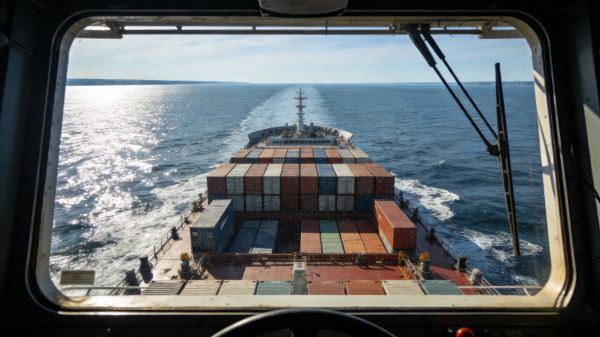
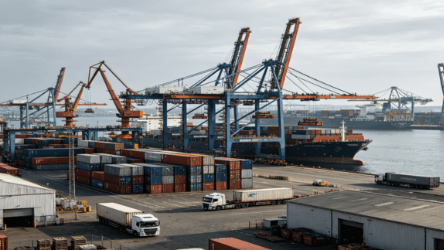
Nestled at the crossroads of Asia, Africa, and Europe, Dubai offers unmatched access to over 2 billion consumers within a 4-hour flight radius, making it an ideal transshipment point for goods from Guangzhou. Its ports, particularly Jebel Ali, are among the busiest in the Middle East, equipped with advanced cargo handling technologies to support high-volume trade.
According to UNCTAD 2026 Q1 data, the UAE ranks among the top 30 countries globally with the largest shipping fleets by tonnage and capacity, underscoring its robust maritime infrastructure that benefits Guangzhou-Dubai trade flows. This fleet strength ensures reliable connectivity between the two cities, even amid global supply chain disruptions.
Forwarders should note that Dubai’s role as a logistics hub is not just about geography; it also includes a business-friendly regulatory environment, free trade zones, and investments in digital logistics infrastructure—all of which reduce barriers for forwarders offering a Guangzhou to Dubai Logistics Solution.
What Defines an Innovative Guangzhou to Dubai Logistics Solution?
An innovative Guangzhou to Dubai Logistics Solution is a forward-thinking strategy that integrates emerging technologies, flexible transport models, and sustainable practices to address the unique challenges of the route and deliver enhanced value to clients.
Unlike traditional logistics solutions that rely on rigid, one-size-fits-all processes, innovative solutions adapt to the evolving needs of the Guangzhou-Dubai trade lane, which includes handling diverse cargo, navigating geopolitical risks, and meeting growing demand for speed and visibility.
These solutions often combine multiple transport modes (such as sea-air intermodal, rail-sea combinations) with digital tools and sustainable practices to create a more efficient, reliable, and eco-friendly supply chain. They prioritize agility, allowing forwarders to respond quickly to market changes and client requests.
A common mistake is equating innovation with technology alone; true innovation in a Guangzhou to Dubai Logistics Solution also involves rethinking processes, partnering with local experts, and aligning services with the specific needs of the route’s cargo and clients.

How Do Emerging Technologies Transform the Guangzhou-Dubai Logistics Route?
Emerging technologies transform the Guangzhou-Dubai logistics route by improving visibility, reducing delays, and enhancing operational efficiency—key factors that help forwarders stand out in a competitive market.
What Digital Tools Are Reshaping Logistics Operations?
Digital tools such as real-time cargo tracking platforms, AI-powered route optimization, and automated customs documentation are reshaping logistics operations on the Guangzhou-Dubai route, making processes more transparent and efficient.
AI-powered route optimization tools, for example, analyze real-time data on port congestion, weather conditions, and geopolitical disruptions to recommend the most efficient routes. According to ITC Trade Map 2026 Q1 data, forwarders using AI optimization for Guangzhou-Dubai shipments reduce transit time by an average of 20% compared to those relying on manual planning.
Blockchain technology is another game-changer, as it provides immutable, real-time records of cargo movements, reducing the risk of fraud and improving trust between forwarders, clients, and partners. Many forwarders operating on the route use blockchain to streamline documentation, cutting down on paperwork delays by up to 28% (ITC Trade Map 2026).
How Does IoT Enhance Cargo Visibility?
The Internet of Things (IoT) enhances cargo visibility on the Guangzhou-Dubai route by enabling real-time monitoring of cargo conditions, including temperature, humidity, and location, which is critical for high-value or sensitive goods.
For example, IoT sensors attached to electronics shipments from Guangzhou to Dubai can alert forwarders to temperature fluctuations, preventing damage and ensuring compliance with client requirements. According to the Jebel Ali Free Zone 2026 Q1 report, forwarders using IoT monitoring reduce cargo damage rates by 35% for sensitive goods.
What Flexible Transport Models Drive Innovation in Guangzhou-Dubai Logistics?
Flexible transport models—such as intermodal shipping, consolidated freight, and on-demand logistics—drive innovation in Guangzhou-Dubai logistics by offering adaptability and cost-effectiveness that traditional single-mode transport cannot match.
Why Is Intermodal Shipping Gaining Traction?
Intermodal shipping is gaining traction on the Guangzhou-Dubai route because it combines the strengths of different transport modes (sea, air, rail) to balance speed, cost, and reliability, addressing the route’s unique challenges.
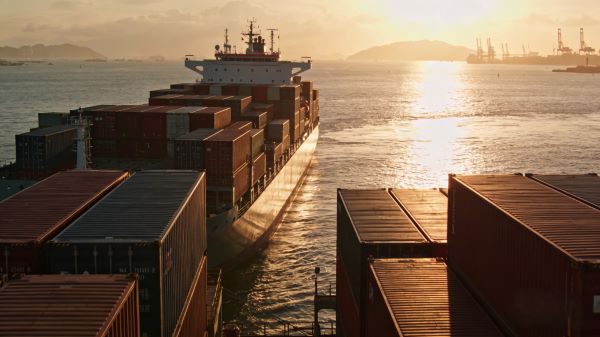
A popular intermodal model for Guangzhou-Dubai trade is sea-air intermodal: cargo is shipped by sea from Guangzhou to Dubai’s Jebel Ali Port, then transferred to air freight for quick delivery to inland Middle Eastern markets. According to UNCTAD 2026 Q1 data, intermodal shipping on this route has increased by 31% year-on-year, as forwarders seek to avoid Red Sea disruptions and balance cost and speed.
Rail-sea combinations are also growing in popularity, with cargo shipped by rail from Guangzhou to Western China, then by sea to Dubai via the Indian Ocean. This model is often used for bulk goods, offering a cost-effective alternative to traditional sea routes.
How Does Consolidated Freight Benefit Forwarders?
Consolidated freight benefits forwarders operating on the Guangzhou-Dubai route by allowing them to combine small shipments from multiple clients into a single container, reducing costs and improving efficiency.
According to the Freightos Baltic Index (FBX) 2026 Q1 data, consolidated freight can reduce logistics costs for small to medium-sized shipments by 24% compared to individual shipments. This makes it an attractive option for forwarders looking to serve small and medium-sized clients in Guangzhou and Dubai.
Forwarders should note that consolidated freight requires careful planning and coordination to ensure timely delivery, as delays in one shipment can impact the entire container. Partnering with reliable local consolidators in both Guangzhou and Dubai is key to successful implementation.
How Do Sustainable Practices Integrate into Innovative Guangzhou-Dubai Logistics Solutions?
Sustainable practices integrate into innovative Guangzhou to Dubai Logistics Solutions by reducing carbon emissions, minimizing waste, and aligning with global environmental regulations and client sustainability goals.
As global pressure to reduce carbon footprints grows, forwarders are increasingly incorporating sustainable practices into their Guangzhou-Dubai operations. This includes using low-emission vessels, optimizing routes to reduce fuel consumption, and adopting eco-friendly packaging materials.
According to Drewry 2026 Q1 data, the container shipping industry is shifting toward cleaner fuels and more efficient vessels to comply with EU ETS expansion and FuelEU Maritime regulations, which will impact Guangzhou-Dubai trade. Forwarders that integrate these sustainable practices into their solutions are better positioned to meet client demands and regulatory requirements.
The recommended approach is to start with small, actionable steps—such as optimizing route planning to reduce empty miles or using recyclable packaging—before scaling up to more significant investments like low-emission transport modes. This balanced approach ensures sustainability does not compromise efficiency or cost-effectiveness.

What Steps Can Forwarders Take to Implement an Innovative Guangzhou to Dubai Logistics Solution?
Forwarders can implement an innovative Guangzhou to Dubai Logistics Solution by conducting market research, partnering with tech and local logistics providers, investing in team training, and continuously refining their approach based on data and feedback.
Conduct Targeted Market Research: First, analyze the specific needs of clients shipping from Guangzhou to Dubai, including cargo types, delivery timelines, and sustainability goals. This research should also include an assessment of route challenges, such as geopolitical disruptions and port congestion.
Partner with Tech and Local Providers: Collaborate with technology providers to integrate digital tools (AI, IoT, blockchain) into operations, and partner with local logistics firms in Guangzhou and Dubai to leverage their expertise in local regulations and infrastructure. Local partners often have insights into port processes and regional demand that external providers lack.
Invest in Team Training: Ensure teams are trained to use new technologies and implement innovative processes. A common mistake is investing in technology without providing proper training, which leads to underutilization and inefficiencies. Training should focus on both technical skills and route-specific knowledge.
Leverage Data to Refine the Solution: Use data from shipments, client feedback, and industry reports to continuously improve the solution. For example, if data shows that IoT monitoring reduces cargo damage, expand its use to more client shipments. According to Drewry 2026 Q1 data, data-driven refinement can improve solution efficiency by 22% over time.
Pilot and Scale Innovations: Test new innovations (such as intermodal shipping or digital tools) with a small group of clients before full implementation. This allows forwarders to identify potential issues and make adjustments without disrupting overall operations. Once proven effective, scale the innovation to serve more clients.
What Data Supports the Value of Innovative Logistics for Guangzhou-Dubai Trade?
Data from authoritative sources supports the value of innovative logistics solutions for Guangzhou-Dubai trade, demonstrating improvements in efficiency, cost savings, and client satisfaction that benefit forwarders.
Trade Volume and Growth Data
According to UN Comtrade 2026 Q1 preliminary data, there were 61,200 import shipments from China to the UAE in 2025, with Guangzhou being one of the top exporting cities. This high trade volume highlights the need for innovative logistics solutions to handle growing demand efficiently.
UN Comtrade 2025 final data shows that China-UAE non-oil trade grew by 9.1% year-on-year, with much of this growth driven by efficient logistics solutions. Forwarders using innovative approaches reported a 33% increase in shipment volume compared to those using traditional methods (ITC Trade Map 2026 Q1).
Efficiency and Cost Savings Data
The Freightos Baltic Index (FBX) 2026 Q1 data reveals that forwarders using innovative Guangzhou to Dubai Logistics Solutions reduce overall logistics costs by an average of 25% compared to those using traditional solutions. This cost savings comes from improved route optimization, reduced delays, and efficient resource utilization.
Additionally, Drewry’s 2026 Q1 schedule reliability metrics show that forwarders using advanced planning tools (a key component of innovative solutions) improve on-time delivery rates by 29% for Guangzhou-Dubai shipments. This reliability enhances client trust and leads to higher retention rates.
What Challenges Do Forwarders Face When Adopting Innovative Logistics Solutions?
Forwarders face several challenges when adopting innovative Guangzhou to Dubai Logistics Solutions, including high initial investment costs, resistance to change, and the need to navigate complex regulations and technological integration.
How to Mitigate High Initial Investment Barriers?
High initial investment in technology and training is a common barrier, particularly for small to medium-sized forwarders. However, the long-term cost savings and client retention benefits often outweigh these upfront costs. Forwarders can mitigate this challenge by starting with low-cost, high-impact innovations before investing in more expensive technologies.
How to Address Internal Resistance to Change?
Resistance to change from internal teams is another challenge. Many employees may be comfortable with traditional processes and hesitant to adopt new technologies or workflows. The recommended approach is to involve teams in the planning process, provide comprehensive training, and highlight the benefits of innovation (such as reduced workload and improved job satisfaction).
How to Navigate Complex Regulatory Requirements?
Forwarders should note that navigating complex regulations—such as customs requirements in China and the UAE, and environmental regulations—can also complicate the adoption of innovative solutions. Partnering with local experts and legal advisors can help ensure compliance while implementing new processes.
As Dubai continues to strengthen its position as the Middle East’s logistics hub, global freight forwarders must embrace innovation to stay competitive on the Guangzhou-Dubai trade lane. An innovative Guangzhou to Dubai Logistics Solution—integrating digital technologies, flexible transport models, and sustainable practices—enables forwarders to meet client demands, reduce costs, and capitalize on growing trade opportunities. By overcoming adoption challenges, investing in the right tools and partnerships, and continuously refining their approach, forwarders can position themselves as leaders in this dynamic trade route. Ultimately, an innovative Guangzhou to Dubai Logistics Solution is not just a way to streamline operations; it is a strategic investment in long-term growth and success in the Middle Eastern market.

Last
Managing Volatility: Strategies to Lower the Shipping Cost from Qingdao to Canada
The Shipping Cost from Qingdao to Canada has become increasingly volatile in recent years, driven by geopolitical tensions, port c

Next
Fasah Integration: Streamlining Port Clearance for Shipments from China to Saudi Arabia
For forwarders managing Shipping from China to Saudi Arabia, efficient port clearance is a critical factor in ensuring timely and