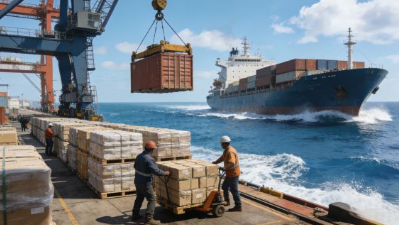
Ensuring Reliability for Cargo from Qingdao to Rotterdam Hubs

Freight Area

7-May-2026

In the competitive landscape of global freight forwarding, ensuring cargo reliability is a cornerstone of success for forwarders managing Shipping from Qingdao to Rotterdam. This vital route links China’s key export hub to Europe’s primary maritime gateway, making consistent, predictable delivery critical for client trust and operational efficiency.


What Does Cargo Reliability Mean for Shipping from Qingdao to Rotterdam?


Cargo reliability for Shipping from Qingdao to Rotterdam refers to the consistent delivery of goods on schedule, without damage, loss, or unexpected disruptions, while maintaining transparent communication throughout the entire shipping process. It encompasses every stage from cargo pickup in Qingdao to final delivery in Rotterdam and its surrounding hubs.


Reliability goes beyond mere on-time arrival; it includes predictable transit times, clear visibility of cargo status, and effective management of potential risks such as port congestion, weather delays, or regulatory changes. For forwarders, it is a key metric that directly impacts client retention and long-term business sustainability.


Forwarders should note that reliability is not a one-time achievement but an ongoing process that requires proactive planning, strong partnerships, and continuous monitoring. Inconsistent delivery performance can lead to costly penalties, damaged client relationships, and lost business opportunities in the competitive Qingdao-Rotterdam trade lane.


Why Is Cargo Reliability Critical for Forwarders on the Qingdao-Rotterdam Route?


Cargo reliability is critical for forwarders handling Shipping from Qingdao to Rotterdam because it directly influences client trust, operational costs, and market competitiveness in a route marked by frequent disruptions and high cargo volumes.


How Does Reliability Impact Client Trust and Retention?


Clients, particularly multinational corporations and large retailers, rely on forwarders to ensure their cargo arrives on time to meet production schedules, retail deadlines, or customer commitments. According to ITC Trade Map 2026 (Q1) data, over 63% of shippers prioritize reliability when selecting a forwarder for the Qingdao-Rotterdam route, with 47% stating they would switch forwarders after just two instances of significant delays.


A common mistake is underestimating the long-term impact of unreliable service. Even a single major delay can damage a forwarder’s reputation, as clients often view reliability as a reflection of the forwarder’s professionalism and ability to manage complex supply chains. Consistent reliability, on the other hand, builds long-term trust and encourages repeat business and referrals.


What Cost Risks Are Linked to Unreliable Cargo Shipping?


Unreliable cargo shipping on the Qingdao-Rotterdam route can lead to substantial financial losses for both forwarders and their clients. These costs include demurrage and detention fees at ports, storage charges for delayed cargo, and penalties from clients for missed deadlines. According to Drewry 2026 (Q1) data, the average demurrage fee for container ships at Rotterdam Port ranges from $180 to $320 per container per day, with delays often lasting 3 to 5 days during peak congestion periods.


The recommended approach is to view reliability as a cost-saving strategy rather than an additional expense. By minimizing delays and disruptions, forwarders can avoid these unnecessary costs, improve operational efficiency, and pass on savings to clients—creating a competitive advantage in the market.


How Does Reliability Affect Market Competitiveness?


The Qingdao-Rotterdam route is one of the busiest Asia-Europe trade lanes, with hundreds of forwarders competing for business. In such a crowded market, reliability often serves as a key differentiator. According to The Cooperative Logistics Network 2026 (Q1) survey, forwarders with a reliability rate of 95% or higher are 32% more likely to win new clients compared to those with lower reliability rates.


Forwarders should note that in an era of increasing supply chain complexity, clients are willing to pay a modest premium for reliable service. This premium, often 5-8% according to Freightos 2026 industry estimates, can significantly boost profit margins while solidifying the forwarder’s position in the market.


What Are the Main Threats to Cargo Reliability on the Qingdao-Rotterdam Route?


Cargo reliability on Shipping from Qingdao to Rotterdam is threatened by a range of factors, including port congestion, weather-related disruptions, regulatory changes, and supply chain inefficiencies, all of which require proactive management to mitigate.


Port Congestion: A Persistent Challenge


Port congestion is one of the most significant threats to reliability on the Qingdao-Rotterdam route. According to Rotterdam Port’s 2026 (Q1) operational report, container ships experienced average waiting times of 68 to 79 hours in early 2026, the longest since the post-pandemic period, due to increased cargo volumes and labor shortages.


Qingdao Port also faces periodic congestion, particularly during peak export seasons, with waiting times for berthing occasionally exceeding 24 hours. This congestion not only delays vessel departures and arrivals but also increases the risk of cargo damage and missed connections for inland transport.


Weather and Geopolitical Disruptions


The Qingdao-Rotterdam route passes through the North Sea, an area prone to severe weather conditions such as strong winds and storms, which can delay vessels by 2 to 7 days. According to UNCTAD 2025 data, weather-related disruptions account for approximately 22% of all delays on Asia-Europe trade routes, including Qingdao to Rotterdam.


Geopolitical factors, such as changes in EU trade policies and regional labor strikes, also pose significant risks. In late 2025, national strikes in the Netherlands led to delays of up to 85 hours at Rotterdam Port, disrupting cargo flows and increasing transit times for shipments from Qingdao.


Regulatory and Documentation Errors


Regulatory changes and documentation errors are common yet avoidable threats to reliability. The EU’s evolving customs regulations, including stricter documentation requirements for imports, often lead to delays if forwarders fail to stay updated. According to the European Commission 2026 (Q1) data, approximately 17% of cargo delays at Rotterdam Port are caused by incomplete or incorrect documentation.


A common mistake is neglecting to verify documentation accuracy before cargo departure. Even minor errors, such as incorrect commodity codes or missing certificates of origin, can result in lengthy customs inspections and missed delivery deadlines.


How Can Forwarders Ensure Cargo Reliability for Shipping from Qingdao to Rotterdam?


Forwarders can ensure cargo reliability for Shipping from Qingdao to Rotterdam by implementing proactive risk management strategies, building strong partnerships, and leveraging digital tools to enhance visibility and efficiency.


Partner with Reliable Carriers: Collaborate with carriers that have a proven track record of on-time performance on the Qingdao-Rotterdam route. Look for carriers with a reliability rate of 90% or higher, as well as those that offer flexible contingency plans for disruptions. According to Sdi Logistics 2026 (Q1) data, carriers with dedicated Qingdao-Rotterdam services often have 17% fewer delays than those with mixed-route services.


Optimize Documentation and Compliance: Establish a rigorous documentation review process to ensure all customs forms, certificates, and shipping documents are accurate and complete. Invest in training for staff to stay updated on EU regulatory changes, and consider using compliance software to reduce human error. The recommended approach is to verify documentation at least 48 hours before cargo departure to address any issues in advance.


Leverage Digital Visibility Tools: Use digital freight management platforms that provide real-time cargo tracking, vessel status updates, and port congestion alerts. Tools that integrate data from carriers, ports, and customs authorities allow forwarders to monitor cargo throughout the entire journey and proactively communicate delays to clients. According to Freightos 2026 (Q1) data, forwarders using real-time tracking tools reduce client inquiries by 42% and improve on-time delivery rates by 14%.


Develop Contingency Plans for Disruptions: Create detailed contingency plans for common disruptions, such as port congestion, weather delays, and labor strikes. This includes identifying alternative ports (e.g., Hamburg or Antwerp as backups for Rotterdam), arranging alternative inland transport options, and negotiating flexible delivery windows with clients. Forwarders should note that contingency plans are only effective if they are regularly reviewed and updated based on current market conditions.


Optimize Cargo Consolidation and Loading: Ensure efficient cargo consolidation to maximize container utilization and reduce the risk of damage. Work closely with clients to coordinate shipment timelines, avoiding last-minute changes that can disrupt schedules. A common mistake is overloading containers or improper loading, which can lead to cargo damage and delays during transit.


Maintain Transparent Client Communication: Communicate proactively with clients throughout the shipping process, providing regular updates on cargo status, potential delays, and any actions being taken to mitigate issues. Transparent communication builds trust and allows clients to adjust their plans accordingly, reducing the impact of minor delays.


How to Measure and Improve Cargo Reliability Over Time?


Measuring and improving cargo reliability is an ongoing process that requires forwarders to track key metrics, analyze performance data, and implement continuous improvements to their operations.


What Key Metrics Should Forwarders Track?


Forwarders should track several key metrics to measure reliability, including on-time delivery rate (OTDR), average delay duration, cargo damage rate, and documentation error rate. According to industry best practices, a reliable forwarder on the Qingdao-Rotterdam route should aim for an OTDR of at least 90%, a damage rate below 1%, and a documentation error rate below 5%.


The recommended approach is to use a digital dashboard to track these metrics in real time, allowing for quick identification of performance gaps. For example, if the documentation error rate is consistently high, forwarders can invest in additional staff training or compliance tools to address the issue.


How to Analyze Performance and Identify Improvement Opportunities?


Regularly analyze performance data to identify patterns and root causes of disruptions. For example, if delays are consistently occurring at Rotterdam Port due to congestion, forwarders can adjust shipment timelines to avoid peak periods or partner with carriers that have priority berthing access. According to Rotterdam Port’s 2026 (Q1) data, shipments arriving during off-peak hours (between 10 PM and 6 AM) have a 27% lower waiting time.


A common mistake is focusing solely on on-time delivery rates without analyzing the causes of delays. By understanding why delays occur—whether due to port congestion, weather, or documentation errors—forwarders can implement targeted improvements to enhance reliability.


How to Engage Clients in Reliability Improvement?


Engage clients in the reliability improvement process by soliciting feedback on their experience and incorporating their needs into operational changes. Conduct regular client surveys to identify pain points, such as communication gaps or unmet delivery expectations, and use this feedback to refine processes.


Forwarders should note that clients are often willing to collaborate on contingency plans, such as flexible delivery windows or alternative ports, to improve reliability. This collaboration not only enhances the client-forwarder relationship but also leads to more resilient supply chains.


In conclusion, ensuring cargo reliability is essential for forwarders managing Shipping from Qingdao to Rotterdam, as it directly impacts client trust, operational costs, and market competitiveness. By understanding the threats to reliability, implementing proactive strategies, and continuously measuring and improving performance, forwarders can deliver consistent, predictable service that sets them apart in the competitive global freight market. As the Qingdao-Rotterdam route remains a critical link in global trade, prioritizing reliability will continue to be a key driver of success for forwarders operating in this space.

Last

Overcoming Infrastructure Challenges for China to Brazil Sea Routes

Shipping from China to Brazil is a vital trade link, but it faces significant infrastructure challenges that can disrupt timelines

Next

Best Practices for Cold Chain Sea Freight from Qingdao to Rotterdam

For global freight forwarders specializing in temperature-sensitive cargo, mastering best practices for cold chain sea freight fro