Utilizing Singapore Warehousing for Shenzhen Sea Freight Distribution
Freight Area
7-May-2026
For global forwarders managing Shipping from Shenzhen to Singapore, leveraging Singapore’s warehousing facilities is a strategic approach to streamline distribution, reduce costs, and enhance service reliability across Southeast Asia. This integration bridges the gap between sea freight arrival and final delivery, creating a more agile supply chain.
What Role Does Singapore Warehousing Play in Shenzhen Sea Freight Distribution?
Singapore warehousing serves as a critical intermediary hub for Shenzhen sea freight, enabling forwarders to store, sort, and redistribute cargo efficiently after it arrives from Shenzhen’s ports. It acts as a buffer between ocean transit and last-mile delivery, optimizing supply chain responsiveness.
Singapore’s warehousing network is designed to complement its status as a global maritime hub, with facilities ranging from bonded warehouses for duty-free storage to temperature-controlled units for sensitive goods. These facilities are strategically located near Singapore Port and major transportation routes, ensuring seamless connectivity with Shenzhen sea freight arrivals.
According to PSA International 2025 Q3 data, Singapore’s warehousing capacity reached 39.2 million square meters in 2024, with a vacancy rate of just 6.5% in Q2 2025, reflecting strong demand from logistics providers handling intra-Asia shipments. This capacity includes specialized facilities for high-value goods, e-commerce, and industrial cargo—all relevant to freight from Shenzhen.
Forwarders should note that Singapore’s warehousing is not just about storage; it integrates value-added services that align with the diverse cargo types moving from Shenzhen, such as new energy vehicles (NEVs), electronics, and cross-border e-commerce (CBEC) goods. This integration turns warehousing into a proactive distribution tool rather than a passive storage solution.
Why Is Singapore Warehousing a Logical Extension for Shenzhen Sea Freight?
Singapore’s warehousing is a natural complement to Shipping from Shenzhen to Singapore due to its strategic location, efficient customs processes, and integrated logistics ecosystem, which address common pain points for forwarders managing cross-border distribution.
Strategic Location for Regional Distribution
Singapore’s position in the heart of Southeast Asia allows forwarders to use its warehouses as a redistribution hub for cargo arriving from Shenzhen. From Singapore, cargo can be quickly transported to neighboring markets like Malaysia, Thailand, and Vietnam via feeder ships, road, or air, reducing transit times compared to direct shipments from Shenzhen.
According to UNCTAD’s 2025 Maritime Transport Review, the average transit time from Singapore to major Southeast Asian ports is 1–3 days, significantly shorter than the 5–7 days required for direct shipments from Shenzhen to those same ports. This proximity makes Singapore warehousing a cost-effective option for regional distribution.
Efficient Customs and Regulatory Compliance
Singapore’s streamlined customs procedures and business-friendly regulations make it easier for forwarders to manage cargo arriving via Shenzhen sea freight. Warehouses in Singapore’s Free Trade Zones (FTZs) offer bonded storage, allowing forwarders to defer duty payments until cargo is distributed, improving cash flow.
A common mistake is overlooking Singapore’s regulatory alignment with global standards, which reduces compliance risks for forwarders. For example, Singapore’s customs system integrates with digital platforms like TradeNet, enabling electronic declaration and clearance for cargo from Shenzhen, minimizing delays and administrative errors.

Infrastructure Synergy with Shenzhen Sea Freight
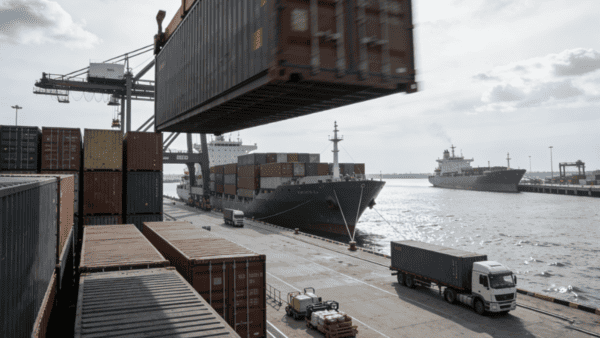
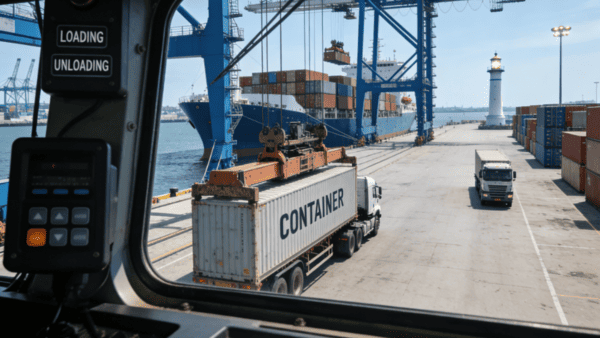
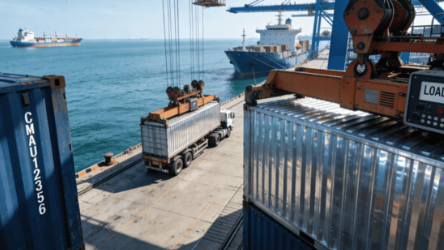
Singapore’s ports and warehouses operate in tandem, with direct connectivity between Singapore Port and major warehousing districts. For instance, SF Logistics’ new 10,000-square-meter warehouse in Singapore’s Jurong area is strategically located near the port, enabling seamless transfer of cargo from Shenzhen sea freight vessels to storage facilities within hours.
Additionally, Shenzhen’s enhanced sea freight connectivity to Singapore—such as the upgraded SAMBAR route launched by MSC at Dachanwan Port in 2025—ensures frequent and reliable sailings (up to 12 weekly sailings), allowing forwarders to maintain consistent inventory levels in Singapore warehouses and avoid stockouts.
What Types of Singapore Warehousing Are Best Suited for Shenzhen Sea Freight?
Different types of Singapore warehousing cater to the diverse cargo types and distribution needs of forwarders managing Shipping from Shenzhen to Singapore, each offering unique benefits based on cargo characteristics and end-market requirements.
Bonded Warehouses: Ideal for Deferred Duty and Transshipment
Bonded warehouses in Singapore are often used by forwarders handling Shenzhen sea freight that requires transshipment or delayed duty payment. These facilities allow cargo to be stored without paying import duties until it is re-exported to other countries or cleared for local sale.
According to Singapore Customs 2025 Q1 data, bonded warehouses handled over 47.2 million tons of cargo in 2024, with approximately 38% coming from Chinese ports like Shenzhen. This type of warehousing is particularly useful for forwarders managing high-value or seasonal cargo from Shenzhen, as it provides flexibility in distribution timing.
E-Commerce Warehouses: Tailored for Cross-Border Online Sales
With the growth of cross-border e-commerce, Singapore’s e-commerce warehouses are increasingly relevant for forwarders handling Shenzhen sea freight. These facilities are equipped with automated sorting systems, order fulfillment capabilities, and integration with major e-commerce platforms, enabling fast delivery to end customers.
According to the 2025 China Cross-Border E-Commerce Development Blue Book (released by the Ministry of Commerce of China), China’s cross-border e-commerce exports reached 2.3 trillion yuan in 2025, with a significant share moving through Shenzhen to Singapore. E-commerce warehouses in Singapore help forwarders capitalize on this trend by providing end-to-end fulfillment services.
Specialized Warehouses: For High-Value and Sensitive Cargo
Singapore also offers specialized warehouses for cargo types commonly shipped from Shenzhen, such as new energy vehicles (NEVs), electronics, and pharmaceuticals. These facilities include temperature control, 24/7 security systems, and specialized handling equipment to protect sensitive goods.
Forwarders should note that specialized warehouses in Singapore often come with value-added services like product testing, repackaging, and labeling, which can reduce the need for additional processing after cargo arrives from Shenzhen. This integration streamlines the supply chain and improves customer satisfaction.
How Can Forwarders Optimize Singapore Warehousing for Shenzhen Sea Freight?
To maximize the benefits of Singapore warehousing for Shipping from Shenzhen to Singapore, forwarders need to adopt targeted strategies that align with their cargo types, distribution goals, and operational capabilities.
Align Warehousing Type with Cargo Needs: Match the warehouse type to the characteristics of the cargo from Shenzhen. For example, use bonded warehouses for transshipment cargo, e-commerce warehouses for online retail goods, and specialized warehouses for NEVs or electronics. This ensures that cargo is stored and handled in a way that minimizes damage and delays.

Integrate Warehousing with Sea Freight Scheduling: Coordinate Shenzhen sea freight sailings with warehouse availability in Singapore to avoid demurrage and detention fees. The recommended approach is to share sailing schedules with warehouse providers in advance, ensuring that storage space is reserved and cargo can be unloaded and stored promptly upon arrival.
Leverage Value-Added Services: Take advantage of value-added services offered by Singapore warehouses, such as sorting, repackaging, and labeling. These services can reduce the need for additional processing in Shenzhen or the end market, saving time and costs for forwarders and their clients.
Implement Digital Inventory Management: Use digital inventory management systems that integrate with both Shenzhen sea freight tracking and Singapore warehouse operations. This provides real-time visibility into cargo status, allowing forwarders to monitor inventory levels, track order fulfillment, and make data-driven decisions about distribution.
Partner with Local Warehousing Providers: Collaborate with local Singaporean warehousing providers who have expertise in handling cargo from Shenzhen. These providers understand local regulations, have established connections with Singapore Port, and can offer tailored solutions to address common challenges like customs clearance and last-mile delivery.
What Challenges Do Forwarders Face When Using Singapore Warehousing, and How to Mitigate Them?
While Singapore warehousing offers significant benefits for Shenzhen sea freight distribution, forwarders may encounter challenges such as cost pressures, capacity constraints, and regulatory complexities, which can be addressed with proactive planning.
Managing Warehousing Costs Effectively
Singapore’s warehousing costs are often higher than those in neighboring countries, which can impact forwarders’ profit margins. According to Drewry’s 2025 Q2 Warehousing Cost Index, the average cost of warehousing in Singapore is $19–$23 per square meter per month, compared to $11–$16 in Malaysia or Thailand.
The recommended approach is to optimize inventory levels to avoid overstocking, which increases storage costs. Forwarders can use demand forecasting tools to align Shenzhen sea freight shipments with end-market demand, ensuring that cargo is stored in Singapore warehouses only for as long as needed.
Addressing Capacity Constraints
As demand for Singapore warehousing grows, capacity constraints can become an issue, especially during peak seasons. According to PSA International 2025 Q3 data, Singapore’s warehousing vacancy rate dropped to 6.2% in Q2 2025, the lowest level in five years, making it important for forwarders to plan ahead.
Forwarders should note that booking warehouse space in advance—especially for peak periods like the year-end holiday season and Chinese New Year—can help avoid capacity shortages. Additionally, partnering with multiple warehouse providers can provide flexibility if one facility reaches capacity.
Navigating Regulatory and Compliance Requirements
While Singapore’s regulatory environment is business-friendly, forwarders must still comply with local customs rules, tax regulations, and safety standards when using warehousing facilities. A common mistake is failing to familiarize themselves with these requirements, which can lead to delays or penalties.
To mitigate this risk, forwarders should work with warehouse providers who offer compliance support, such as assistance with customs declarations and documentation. Additionally, investing in staff training to understand Singapore’s regulatory framework can help ensure smooth operations.
In conclusion, utilizing Singapore warehousing is a strategic move for global forwarders managing Shipping from Shenzhen to Singapore, offering enhanced distribution efficiency, regional connectivity, and value-added capabilities. By understanding the role of Singapore warehousing, selecting the right facility type, and implementing optimized strategies, forwarders can overcome common challenges and create a more agile, cost-effective supply chain. As Shenzhen’s sea freight to Singapore continues to grow—driven by global trade recovery and regional demand—leveraging Singapore’s warehousing network will remain a key differentiator for forwarders looking to enhance their service offerings and stay competitive in the global logistics industry. Ultimately, the integration of Shenzhen sea freight with Singapore warehousing creates a win-win scenario, connecting China’s manufacturing heartland to Southeast Asia’s dynamic markets through a streamlined, reliable distribution network.

Last
Carbon Footprint Management on the Qingdao to Rotterdam Sea Route
As global trade prioritizes sustainability, carbonfootprint management has become a core focus for freight forwarders handlingShip

Next
Streamlining Bill of Lading for Sea Cargo from Shenzhen to Singapore
For global freight forwarders managing Shipping from Shenzhen to Singapore, streamlining the bill of lading (B/L) process is essen