Mitigating Port Congestion: Protecting FCL Transit Time Between Ningbo and the UK

Freight Area

7-May-2026

For global freight forwarders, mitigating port congestion is critical to protecting the Transit Time for FCL from Ningbo to UK, as delays at key ports can disrupt supply chains and damage client trust.


What Is Port Congestion and How Does It Impact Ningbo to UK FCL Transit Time?


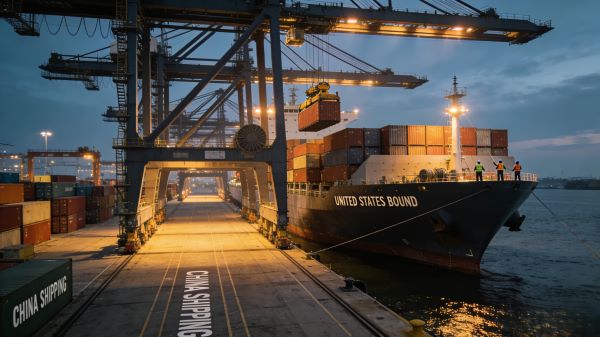
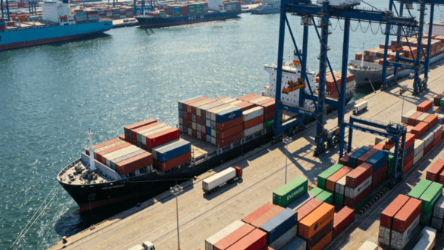
Port congestion refers to a logistical bottleneck where cargo volume exceeds a port’s handling capacity, leading to longer waiting times for vessels and slower cargo throughput. It directly prolongs FCL transit time between Ningbo and the UK by delaying berthing, unloading, and customs clearance.


Port congestion manifests in several forms, including vessels waiting at anchorage, yard overcrowding, and delays in truck or rail connections for inland transport. These issues create a ripple effect, as even a single day of delay at a port can add 3-5 days to the total FCL transit time from Ningbo to the UK.


According to UNCTAD 2026 (Q1) data, the average port waiting time for container vessels globally increased from 5.8 hours in December 2025 to 7.1 hours in March 2026, with congestion at major Asian and European ports contributing significantly to this rise. For the Ningbo to UK route, this translates to extended transit times and increased operational costs for forwarders.


Forwarders should note that port congestion is not a temporary issue but a recurring challenge, driven by factors like seasonal demand surges, infrastructure limitations, and labor shortages. Ignoring these factors can lead to unplanned delays and missed client commitments.


What Are the Primary Causes of Port Congestion on the Ningbo to UK Route?


The primary causes of port congestion on the Ningbo to UK route include seasonal freight surges, infrastructure constraints, labor shortages, and operational inefficiencies at key ports in Ningbo and the UK.


How Do Seasonal Freight Surges Contribute to Congestion?


Seasonal freight surges occur when cargo volumes spike during specific periods, overwhelming port capacity and leading to congestion. For the Ningbo to UK route, these surges typically align with holiday stockpiling and manufacturing peaks.


According to the Port of Ningbo-Zhoushan 2026 (Q1) operational data, the port handles a 42% increase in FCL cargo volume during July-September, coinciding with European holiday stockpiling. This surge often leads to yard utilization rates exceeding 87%, slowing down unloading and storage operations.


In the UK, Southampton Port reported yard utilization rates of 91-96% during peak seasons in 2025, with reefer container utilization reaching 62-67%, further exacerbating congestion. These surges strain port resources and extend waiting times for vessels arriving from Ningbo.


Why Do Infrastructure Constraints Cause Congestion?


Infrastructure constraints, such as limited berths, insufficient quay cranes, and outdated yard facilities, limit a port’s handling capacity, leading to congestion even during non-peak periods.


While Ningbo-Zhoushan Port expanded its channel capacity in 2025, allowing 200,000-ton container vessels to navigate 24/7, the port still faces bottlenecks at specific terminals during peak seasons. According to the Port of Ningbo-Zhoushan 2025 annual report, the port’s Chuanshan Terminal occasionally experiences berthing delays of up to 12 hours during peak months.


In the UK, Felixstowe Port, a key destination for Ningbo FCL shipments, has 9 berths and 28 quay cranes, but infrastructure limitations mean it can only handle a certain number of mega-vessels (24,000+ TEU) simultaneously. This often leads to vessels waiting at anchorage, especially when multiple large ships arrive within a short window.


How Do Labor Shortages Impact Port Efficiency?


Labor shortages, including shortages of dockworkers, crane operators, and truck drivers, reduce port throughput speed and contribute to congestion on the Ningbo to UK route.


According to the UK Major Ports Group 2026 (Q1) data, labor shortages have reduced UK port handling efficiency by 22% in some terminals, with Felixstowe and Southampton facing the most significant challenges. This has led to longer unloading times for FCL containers arriving from Ningbo.


A common mistake is for forwarders to underestimate the impact of labor shortages on port congestion. Even minor shortages can disrupt operations, as ports rely on skilled labor to maintain efficient cargo flow.


What Proactive Strategies Can Forwarders Use to Mitigate Port Congestion?


Forwarders can use several proactive strategies to mitigate port congestion and protect FCL transit time between Ningbo and the UK, focusing on planning, diversification, and real-time monitoring.


Plan Shipments Around Peak Seasons: Avoid scheduling FCL shipments during the busiest periods (July-September and February-March post-Chinese New Year) when congestion is most severe. According to Drewry 2026 (Q1) data, shipments scheduled outside peak seasons experience 37% fewer port-related delays.


Diversify Port Options: Use alternative ports in addition to Ningbo-Zhoushan, Felixstowe, and Southampton. For example, Shanghai Port can serve as an alternative departure port, while London Gateway Port in the UK offers less congestion during peak seasons.


Leverage Advanced Booking Systems: Use carrier booking systems that allow early reservation of berthing slots and unloading times. Many carriers operating on the Ningbo to UK route offer advanced booking options, which can reduce waiting times by 2-3 days.


Optimize Cargo Loading and Documentation: Ensure FCL containers are properly loaded and all documentation (bill of lading, customs declarations) is accurate and complete. This reduces delays during customs clearance and unloading, as incomplete documentation often leads to additional inspections.


Use Real-Time Port Congestion Monitoring Tools: Implement digital tools that provide real-time data on port congestion, vessel waiting times, and yard utilization. Platforms like Flexport and Maersk’s digital portal offer live updates for Ningbo and UK ports, allowing forwarders to adjust plans proactively.


How Can Forwarders Adapt to Congestion at Ningbo-Zhoushan Port?


Adapting to congestion at Ningbo-Zhoushan Port requires forwarders to leverage the port’s infrastructure upgrades, optimize local logistics, and collaborate with local partners to streamline operations.


How to Leverage Ningbo-Zhoushan Port’s Infrastructure Upgrades?


Ningbo-Zhoushan Port has made significant infrastructure improvements in recent years, including the 2025 expansion of the Tiaozhoumen Channel, which increased mega-vessel throughput capacity by over 50%. The port also operates over 110 rail-sea intermodal routes, which can help reduce inland transport delays after cargo is unloaded.


Why Partner with Local Logistics Providers in Ningbo?


The recommended approach is for forwarders to partner with local logistics providers in Ningbo who have established relationships with port terminals. These partners can help secure priority unloading slots and navigate the port’s operational processes more efficiently, reducing delays.


How to Benefit from Ningbo-Zhoushan Port’s “Maritime Express” Program?


Forwarders should note that Ningbo-Zhoushan Port’s “Maritime Express” program, launched in 2024, provides precise scheduling for container vessels, allowing forwarders to pre-plan arrival times and reduce waiting times. Taking advantage of this program can significantly improve FCL transit time reliability.


How Can Forwarders Mitigate Congestion at UK Ports?


Mitigating congestion at UK ports involves understanding each port’s unique challenges, leveraging alternative terminals, and optimizing customs clearance processes to speed up cargo movement.


What Alternatives Exist to Felixstowe and Southampton Ports?


Several alternative ports in the UK can help forwarders avoid congestion at Felixstowe and Southampton, including London Gateway, Liverpool, and Immingham Ports.


London Gateway Port, which has modern infrastructure and lower yard utilization rates (52-57% in 2026), offers a viable alternative for FCL shipments from Ningbo. According to the Port of London Gateway 2026 (Q1) data, the port has an average unloading time of 17 hours for FCL containers, compared to 25-31 hours at Felixstowe during peak seasons.


Liverpool Port, another alternative, has invested in new quay cranes and yard facilities, reducing berthing delays to an average of 3.8 hours in 2026. Forwarders can use these alternative ports to diversify their routes and reduce congestion-related delays.


How to Optimize Customs Clearance to Reduce Congestion Delays?


Optimizing customs clearance processes can reduce delays at UK ports, as inefficient clearance is a common contributor to congestion and prolonged FCL transit time.


The recommended approach is to use electronic customs declaration systems and pre-clear cargo before it arrives in the UK. This allows customs authorities to review documentation in advance, reducing the need for physical inspections and speeding up cargo release.


According to UK HM Revenue & Customs 2026 (Q1) data, pre-cleared FCL cargo is released 62% faster than cargo cleared upon arrival. Forwarders should work with reliable customs brokers in the UK to ensure all documentation is accurate and submitted in a timely manner.


What Common Mistakes Do Forwarders Make When Mitigating Port Congestion?


Forwarders often make avoidable mistakes when trying to mitigate port congestion on the Ningbo to UK route, which can undermine their efforts to protect FCL transit time.


Over-Reliance on a Single Port: Relying solely on Ningbo-Zhoushan for departure or Felixstowe for arrival increases vulnerability to congestion. Diversifying port options is one of the commonly adopted approaches to reduce this risk.


Ignoring Real-Time Congestion Data: Failing to monitor real-time port congestion data leads to last-minute delays, as forwarders may not adjust their plans until vessels are already waiting at anchorage. Using monitoring tools is essential for proactive management.


Underestimating Lead Times for Documentation: Incomplete or delayed documentation causes unnecessary delays during customs clearance, adding to port congestion. Forwarders should ensure all documents are prepared and verified well in advance of shipment.


Neglecting Collaboration with Carriers and Port Partners: Poor communication with carriers and port partners can lead to missed opportunities for priority handling. Building strong relationships with these stakeholders can help forwarders navigate congestion more effectively.


In conclusion, mitigating port congestion is essential for protecting the Transit Time for FCL from Ningbo to UK, as congestion remains a persistent challenge for global forwarders. By understanding the primary causes of congestion, adopting proactive strategies like port diversification and real-time monitoring, adapting to the unique characteristics of Ningbo and UK ports, and avoiding common mistakes, forwarders can minimize delays and maintain reliable service for their clients. As port congestion continues to be driven by seasonal surges and infrastructure constraints, forwarders that prioritize flexibility and proactive planning will be better positioned to protect FCL transit time and maintain a competitive edge in the global logistics industry.

Last

How Sea Freight from China to Mexico is Driving Nearshoring Trends

In recent years, nearshoring has emerged as a transformative trend in global supply chains, and Shipping from China to Mexico has

Next

Guaranteed Transit Time for FCL: How Carrier Selection Affects Ningbo to UK Logistics

For global freight forwarders, securing guaranteed Transit Time for FCL from Ningbo to UK is closely tied to carrier selection, as