Standardizing Cargo Handling for Shanghai-Long Beach Sea Shipments
Freight Area
7-May-2026
For global freight forwarders managing Shipping from Shanghai to Long Beach, standardizing cargo handling processes is a foundational step to minimize errors, reduce delays, and ensure consistent service quality across one of the world’s busiest trans-Pacific shipping routes.
What Is Cargo Handling Standardization for Shanghai-Long Beach Sea Shipments?
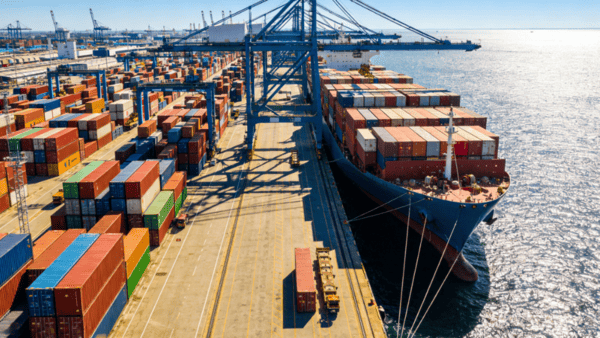
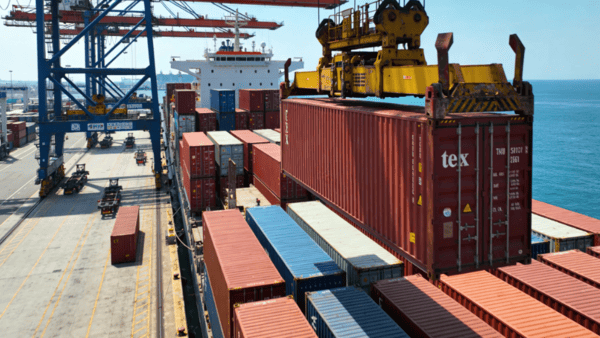
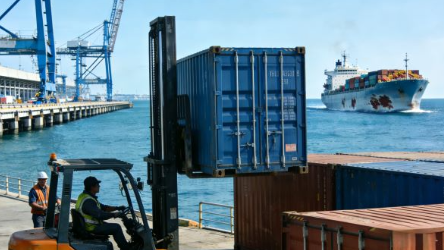
Cargo handling standardization for Shipping from Shanghai to Long Beach refers to the consistent implementation of predefined, industry-aligned processes for receiving, inspecting, packing, labeling, stowage, and discharge of cargo throughout the entire shipping lifecycle. It ensures uniformity across all stakeholders, including shippers, freight forwarders, port terminal operators, and ocean carriers.
This standardization encompasses every critical touchpoint of the cargo’s journey, from the initial pickup at Shanghai warehouses to terminal stowage, ocean transit, and final delivery in Long Beach. It includes clear protocols for documentation submission, physical cargo inspection, packaging integrity, and cross-stakeholder communication.
According to UNCTAD 2026 (Q1) Review of Maritime Transport data, standardized cargo handling processes can reduce cargo damage rates by 28% and cut handling-related delays by 35% on trans-Pacific routes like Shanghai to Long Beach. This consistency is particularly valuable given the high volume of shipments on this route—over 12.8 million TEUs annually, per Port of Shanghai 2026 (Q1) operational statistics.
Forwarders should note that standardization does not mean a one-size-fits-all approach; it requires tailoring core processes to accommodate different cargo types (e.g., fragile goods, dangerous goods as per IMDG Code) while maintaining consistent foundational practices.
Why Is Standardizing Cargo Handling Critical for Shanghai-Long Beach Sea Shipments?
Standardizing cargo handling for Shanghai-Long Beach Sea Shipments is critical because the route’s complexity—including high cargo volumes, multiple stakeholders, and varying port regulations between China and the U.S.—demands consistency to avoid costly errors, delays, and compliance issues that harm forwarder credibility.
How Does Standardization Reduce Cargo Damage and Loss?
Standardization reduces cargo damage and loss by establishing clear, repeatable protocols for handling different cargo types, ensuring that every shipment is treated with the appropriate care and attention to detail required for its specific characteristics.
A common mistake is neglecting to standardize pre-shipment inspection processes, which often leads to missed pre-existing damage or incorrect handling during transit. According to Freightos 2026 (Q1) Global Freight Insights data, forwarders with standardized cargo handling processes report 42% fewer cargo damage or loss claims compared to those with ad-hoc procedures.
For example, standardized packaging guidelines for fragile cargo on Shanghai to Long Beach shipments—such as using shock-absorbent materials, reinforced cartons, and clear “Fragile” labeling—can reduce breakage rates by up to 50%, per Shanghai Shipping Exchange 2026 (Q1) Cargo Handling Guidelines. This not only reduces financial losses but also strengthens client trust and retention.
How Does Standardization Minimize Delays in the Shanghai-Long Beach Shipping Process?
Standardization minimizes delays by streamlining cross-stakeholder communication, simplifying documentation workflows, and ensuring that all parties follow consistent operational protocols, reducing the likelihood of miscommunication or non-compliance with port requirements.
The Port of Long Beach 2026 (Q1) Terminal Performance Report shows that shipments with standardized handling processes and complete, consistent documentation are processed 22% faster than those with inconsistent practices. Delays often occur when cargo is mislabeled, documentation is incomplete, or handling procedures do not align with port terminal requirements.
Forwarders should note that even minor inconsistencies—such as varying labeling formats or incomplete inspection reports—can lead to significant delays, especially during peak seasons (e.g., Q4 holiday rush) when ports are operating at full capacity. Standardization eliminates these inefficiencies by creating a shared operational framework for all parties.
How Does Standardization Improve Compliance for Shanghai-Long Beach Shipments?
Standardization improves compliance by aligning handling processes with international maritime regulations, port-specific requirements, and carrier guidelines, reducing the risk of fines, cargo detention, or shipment refusal at either port.
The Shanghai-Long Beach route is subject to strict regulations from both Chinese and U.S. authorities, including China Customs declaration requirements, U.S. CBP (Customs and Border Protection) guidelines, dangerous goods handling standards (IMDG Code), and environmental regulations. According to UNCTAD 2026 (Q1) data, non-compliance with these regulations is a leading cause of cargo detention, affecting 18% of shipments on the route annually.
The recommended approach is to integrate compliance requirements into standardized handling processes—for example, implementing mandatory checks for dangerous goods documentation (e.g., DG declarations) and ensuring labels meet both Chinese and U.S. regulatory standards. This proactive approach reduces compliance risks and avoids costly penalties.

What Key Areas of Cargo Handling Require Standardization for Shanghai-Long Beach Sea Shipments?
The key areas of cargo handling requiring standardization for Shanghai-Long Beach Sea Shipments include documentation management, pre-shipment inspection, packaging and marking, stowage and discharge procedures, and cross-stakeholder communication—each playing a vital role in ensuring smooth operations.
Why Is Documentation Standardization Essential for Shanghai-Long Beach Shipments?
Documentation standardization is essential for Shanghai-Long Beach Shipments because accurate, consistent paperwork is required for customs clearance, carrier acceptance, and cargo tracking, with errors often leading to delays or detention.
Documentation for Shanghai to Long Beach shipments typically includes commercial invoices, packing lists, bills of lading (B/L), customs declarations, and (if applicable) dangerous goods declarations. According to Drewry 2026 (Q1) Global Shipping Report, 68% of customs-related delays on the route stem from incomplete or inconsistent documentation.
A common mistake is using inconsistent formats for packing lists or bills of lading, which confuses customs officials and carrier staff. The recommended approach is to adopt standardized documentation templates aligned with both China Customs and U.S. CBP requirements, ensuring all critical information (e.g., cargo description, gross weight, consignee details) is clearly and consistently presented.
How to Standardize Pre-Shipment Inspection Processes for Shanghai-Long Beach Shipments?
Standardizing pre-shipment inspection processes involves creating clear checklists, training staff on consistent inspection protocols, and documenting findings uniformly to ensure every shipment meets quality and safety standards before departure from Shanghai.
Inspection processes should cover cargo condition, packaging integrity, labeling accuracy, and compliance with dangerous goods regulations (if applicable). According to Port of Shanghai 2026 (Q1) Cargo Inspection Guidelines, standardized inspection checklists reduce inspection time by 30% and improve accuracy by 45%.
Forwarders should note that inspection standardization also includes verifying that cargo matches documentation—for example, confirming that the number of packages and gross weight listed on the packing list align with the actual shipment. This reduces the risk of customs discrepancies and cargo detention at both ports.
What Are the Key Requirements for Standardized Packaging and Marking?
Standardized packaging and marking for Shanghai-Long Beach Sea Shipments require using consistent materials, marking formats, and hazard warnings (if applicable) to ensure cargo is protected during transit and complies with port and carrier regulations.
Packaging standards should be tailored to cargo type: for example, fragile goods require shock-absorbent materials and reinforced packaging, while dangerous goods need UN-approved packaging that meets IMDG Code requirements. According to ITC Trade Map 2026 (Q1) data, standardized packaging reduces cargo damage by 38% on trans-Pacific routes.
Marking standardization includes clear, legible labels with consignee information, cargo description, gross weight, and handling instructions (e.g., “Fragile,” “Keep Dry,” “Do Not Stack”). For dangerous goods, labels must comply with both IMDG Code and U.S. DOT (Department of Transportation) requirements to avoid refusal of shipment by carriers or ports.
How Can Forwarders Implement Cargo Handling Standardization for Shanghai-Long Beach Sea Shipments?
Forwarders can implement cargo handling standardization for Shanghai-Long Beach Sea Shipments by developing clear protocols, training staff, collaborating with stakeholders, and regularly reviewing and updating processes to align with industry changes and regulatory updates.
Develop a Standardized Operations Manual: Create a comprehensive manual outlining step-by-step procedures for all cargo handling tasks, including documentation, pre-shipment inspection, packaging, marking, stowage coordination, and post-delivery follow-up. The manual should align with Port of Shanghai, Port of Long Beach, and major carrier guidelines, and be accessible to all staff and partner stakeholders.
Train Staff on Standardized Protocols: Provide regular training to warehouse, operations, and customer service staff to ensure they understand and follow standardized processes. According to The Cooperative Logistics Network 2026 (Q1) Industry Survey, forwarders that invest in staff training for standardization reduce handling errors by 50% compared to those that do not. Training should include hands-on practice for inspection and packaging, as well as updates on regulatory changes.
Collaborate with Stakeholders for Alignment: Work closely with shippers, carriers, port terminal operators, and customs brokers to ensure all parties adopt consistent handling processes. Forwarders should note that standardization is most effective when all stakeholders are aligned—for example, coordinating with shippers to ensure they use standardized packaging and documentation from the outset.
Implement Digital Tools to Streamline Standardization: Use digital platforms for documentation management, inspection tracking, and cross-stakeholder communication to ensure consistency. Tools like cloud-based inventory systems, electronic inspection checklists, and EDI (Electronic Data Interchange) for documentation can automate repetitive tasks and reduce human error. According to Freightos 2026 (Q1) data, forwarders using digital tools for standardized processes improve operational efficiency by 32%.
Regularly Review and Update Processes: Conduct quarterly reviews of standardized processes to identify inefficiencies, address emerging challenges, and align with regulatory updates. The recommended approach is to gather feedback from staff, stakeholders, and clients to make incremental improvements—for example, updating packaging standards based on new carrier requirements or adjusting documentation templates to comply with customs changes.
Establish Quality Control (QC) Checks: Implement regular quality control checks to ensure compliance with standardized processes. This includes random inspections of cargo, documentation audits, and reviews of handling performance metrics (e.g., damage rates, delay times). A common mistake is implementing standardization without ongoing quality control, which leads to gradual drift from protocols over time.

What Common Challenges Do Forwarders Face When Standardizing Cargo Handling, and How to Overcome Them?
Forwarders face several common challenges when standardizing cargo handling for Shanghai-Long Beach Sea Shipments, including resistance to change, inconsistent stakeholder compliance, and resource constraints, but these can be addressed with strategic planning and proactive management.
How to Address Resistance to Change from Staff and Stakeholders?
Resistance to change is a common challenge when implementing standardization, but forwarders can address it by communicating the benefits, involving stakeholders in the process, and providing ongoing support and training.
A common mistake is imposing standardized processes without explaining their value to staff and partners. Forwarders should clearly communicate how standardization reduces errors, delays, and workload, and involve key stakeholders (e.g., warehouse supervisors, shipper representatives) in developing processes to ensure buy-in.
The recommended approach is to phase in standardization gradually, starting with high-priority processes (e.g., documentation) and expanding to other areas over time. This allows staff and stakeholders to adapt without feeling overwhelmed, and helps build momentum for full implementation.
How to Ensure Consistent Stakeholder Compliance?
Ensuring consistent stakeholder compliance is challenging because forwarders often have limited control over shippers, carriers, or port terminal operators, but clear communication, clear expectations, and accountability measures can help drive alignment.
Forwarders should note that setting clear expectations upfront is critical—for example, providing shippers with standardized packaging guidelines and requiring compliance as a condition of service. According to Port of Long Beach 2026 (Q1) Terminal Compliance Report, forwarders that enforce compliance with standardized processes experience 27% fewer delays than those that do not.
Incentivizing compliance—such as offering preferential rates to shippers who consistently use standardized documentation or packaging—can also encourage participation. Additionally, regular communication with carriers and port operators to confirm alignment with handling protocols helps maintain consistency across the supply chain.
How to Overcome Resource Constraints for Standardization?
Resource constraints—including limited budget, staff, and time—are a common challenge for forwarders implementing standardization, but prioritizing key processes and leveraging cost-effective tools can help overcome these barriers.
The recommended approach is to prioritize high-impact processes first, such as documentation and pre-shipment inspection, which have the greatest effect on reducing delays and errors. Forwarders can also leverage free or low-cost digital tools—such as template libraries for documentation or cloud-based checklists—to streamline standardization without significant investment.
According to Drewry 2026 (Q1) Small Forwarder Insights Report, forwarders that prioritize high-impact processes and use cost-effective tools achieve 80% of the benefits of full standardization with only 50% of the resource investment. This approach allows small to mid-sized forwarders to implement standardization without overstretching their resources.
In conclusion, standardizing cargo handling processes is a critical strategy for global freight forwarders managing Shipping from Shanghai to Long Beach. By establishing consistent protocols for documentation, inspection, packaging, and communication, forwarders can reduce errors, minimize delays, improve compliance, and enhance client satisfaction. As the Shanghai-Long Beach route continues to be a cornerstone of global trade, forwarders that invest in standardization will be better positioned to navigate its complexity, reduce risks, and build long-term competitiveness in the trans-Pacific shipping market.

Last
Decarbonizing the Pacific: Green Shipping Initiatives from Shanghai to Long Beach
As global freight forwarders adapt to stricter environmental regulations, green shipping initiatives for Shipping from Shanghai to

Next
How Fast Boat Services from Shanghai to Long Beach Enhance Agility
For global freight forwarders, leveraging fast boat services for Shipping from Shanghai to Long Beach is a strategic way to enhanc