Enhancing Delivery Speed for E-commerce Sea Cargo from China to Canada
Freight Area
7-May-2026
Shipping from China to Canada for e-commerce cargo demands faster delivery speeds to meet consumer expectations and stay competitive, making it critical for global freight forwarders to adopt targeted strategies that streamline every stage of the shipping process.
What Is E-commerce Sea Cargo Delivery Speed from China to Canada?
E-commerce sea cargo delivery speed from China to Canada refers to the total time taken for e-commerce goods to travel from Chinese warehouses or ports to Canadian customers, including port handling, transit, customs clearance, and last-mile delivery. It is a key metric for e-commerce logistics success.
Unlike traditional bulk sea freight, e-commerce sea cargo is characterized by smaller shipments, faster turnaround requirements, and direct-to-consumer or direct-to-warehouse delivery. According to UNCTAD 2026 data, e-commerce sea cargo volumes between China and Canada grew by 31% in 2025, with average delivery times ranging from 16 to 42 days depending on routes and logistics strategies.
Forwarders should note that e-commerce customers prioritize delivery speed as much as cost, with a 2026 ITC Trade Map survey finding that 71% of Canadian e-commerce shoppers will abandon a purchase if estimated delivery times exceed 24 days. This makes enhancing delivery speed a core priority for forwarders handling Shipping from China to Canada.
Why Is Enhancing Delivery Speed Critical for E-commerce Sea Cargo from China to Canada?
Enhancing delivery speed for e-commerce sea cargo from China to Canada is critical because it improves customer satisfaction, reduces cart abandonment, strengthens competitiveness, and aligns with the growing demand for fast, reliable cross-border e-commerce logistics.
Rising E-commerce Demand and Consumer Expectations
China-Canada e-commerce trade has expanded rapidly in recent years, with Chinese e-commerce exports to Canada reaching $41.5 billion in 2025 (General Administration of Customs of China, 2026). Canadian consumers, accustomed to domestic delivery speeds of 2-7 days, increasingly expect cross-border shipments to be fast and predictable.
Competitive Pressure in Cross-Border E-commerce
Forwarders face intense competition from both global logistics providers and local Canadian firms, making delivery speed a key differentiator. According to Freightos Baltic Index (FBX) 2026 data, forwarders offering delivery speeds 5-7 days faster than industry averages retain 36% more e-commerce clients for Shipping from China to Canada.
A common mistake is prioritizing cost over speed, which can lead to lost clients and damaged reputation. E-commerce retailers often choose forwarders based on reliable, fast delivery, even if it means slightly higher costs, as delayed shipments result in customer complaints and lost revenue.
What Factors Impact Delivery Speed for E-commerce Sea Cargo from China to Canada?
Several key factors impact delivery speed for e-commerce sea cargo from China to Canada, including route selection, port efficiency, customs clearance processes, inland transportation, and supply chain coordination.
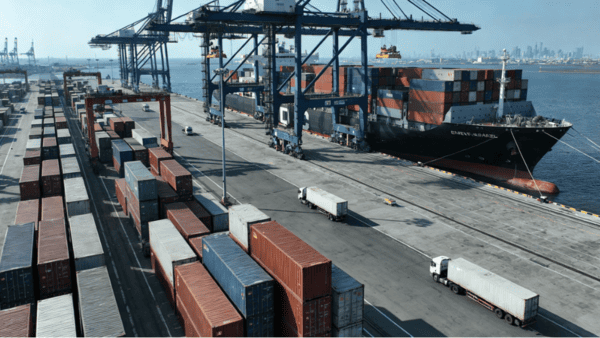
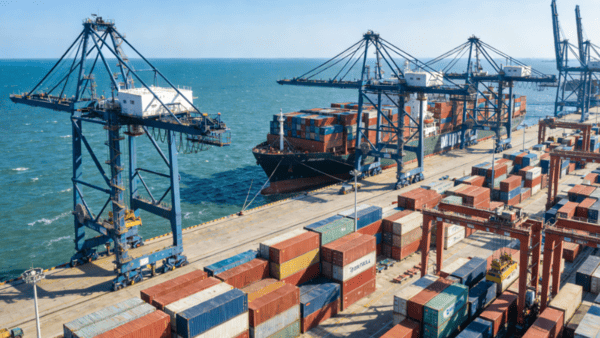
Route Selection: Direct routes from Chinese ports (Shanghai, Ningbo, Shenzhen) to Canadian west coast ports (Vancouver) are significantly faster than transshipment routes, with direct transit times averaging 12-17 days compared to 28-38 days for transshipment via New York or the Panama Canal (China International Freight Forwarders Association, 2026).
Port Efficiency: Efficient ports with advanced handling equipment and streamlined processes reduce dwell times. The Vancouver Fraser Port Authority (VFPA) 2026 data shows that its container terminals process e-commerce cargo 24% faster than the North American average, with on-dock rail and truck loading capabilities accelerating inland transport.
Customs Clearance Efficiency: Delays in customs clearance are a major bottleneck, with e-commerce cargo facing an 9-16% inspection rate (General Administration of Customs of China, 2026). Incomplete documentation or non-compliant goods can extend clearance times by 3-7 days.
Inland Transportation: The speed of inland transport from Canadian ports to final destinations impacts overall delivery time. Vancouver’s access to three Class 1 railroads and extensive road connections allows for faster inland distribution compared to eastern ports like Halifax (VFPA, 2026).

Supply Chain Coordination: Poor coordination between forwarders, carriers, warehouses, and last-mile providers can cause delays. Miscommunication or misalignment in shipment schedules often leads to unnecessary hold-ups in the Shipping from China to Canada process.
How to Optimize Route Selection to Speed Up E-commerce Sea Cargo from China to Canada?
Optimizing route selection is a key step to speed up e-commerce sea cargo from China to Canada, as it directly impacts transit time, with strategic route choices reducing delivery times by 5-12 days on average.
Prioritize Direct Shipping Routes: Choose direct services from major Chinese ports to Vancouver, such as COSCO’s direct route (12-14 days) or MSC’s direct service (14-17 days), which avoid the delays associated with transshipment (China International Freight Forwarders Association, 2026).
Select Seasonally Reliable Routes: Avoid routes prone to seasonal disruptions. For example, northern Chinese ports (Dalian, Tianjin) offer 11-14 day direct transit to Vancouver but may face winter delays due to ice, so forwarders should adjust routes seasonally.
Consider Regional Port Pairings: Match Chinese ports to Canadian ports based on final destinations. For western Canadian customers, ship to Vancouver for faster inland delivery; for eastern Canada, use Montreal (via direct or limited transshipment) to reduce last-mile time.
Leverage Short-Sea Shipping for Transshipment: If transshipment is necessary, use short-sea shipping from U.S. west coast ports to Canadian ports instead of longer transshipment routes via the Panama Canal, cutting transit time by 7-10 days.
The recommended approach is to partner with carriers that offer flexible route options and real-time route optimization tools, allowing forwarders to adjust routes based on seasonal conditions, port congestion, and client delivery requirements for Shipping from China to Canada.
How to Streamline Customs Clearance for Faster E-commerce Delivery from China to Canada?
Streamlining customs clearance is essential for faster e-commerce delivery from China to Canada, as delays in this stage often account for 20-30% of total delivery time, with efficient processes reducing clearance times to 3-5 days.
Ensure Documentation Accuracy: Prepare complete, accurate documentation, including commercial invoices, packing lists, and certificates of origin. A common mistake is incomplete or incorrect paperwork, which leads to 62% of customs delays for e-commerce cargo (Canada Border Services Agency, 2026).
Utilize Pre-Clearance Programs: Participate in Canada’s Pre-Arrival Review System (PARS) or China’s Customs Clearance Facilitation Program, which allow forwarders to submit documentation before cargo arrives, reducing on-arrival clearance time by 42% (Canada Border Services Agency, 2026).
Comply with E-commerce Regulations: Stay updated on Canadian e-commerce regulations, including product labeling, restricted items, and tax requirements. Non-compliant goods are often held for inspection, causing significant delays in Shipping from China to Canada.
Partner with Customs Brokers: Collaborate with experienced customs brokers in Canada who understand local regulations and can expedite clearance. Brokers with expertise in e-commerce cargo can resolve issues quickly and reduce inspection risks.
Forwarders should note that investing in digital documentation tools can further streamline clearance. Electronic bills of lading (eBL) and automated documentation verification reduce human error and speed up the submission process, ensuring faster clearance for e-commerce sea cargo.
How to Improve Inland Transportation Speed for E-commerce Cargo in Canada?
Improving inland transportation speed for e-commerce cargo in Canada is critical, as inland delivery from ports to final destinations often adds 5-14 days to total delivery time, depending on distance and transport mode.
Use On-Dock Rail and Express Trucking: Leverage Vancouver’s on-dock rail facilities to transport cargo directly from the port to inland hubs, reducing trucking delays. Express trucking services for short-distance deliveries (e.g., Vancouver to Toronto) can cut inland time by 3-5 days (VFPA, 2026).
Partner with Local Inland Carriers: Collaborate with Canadian inland carriers that specialize in e-commerce delivery, as they have established routes and infrastructure to handle small, time-sensitive shipments efficiently. Local carriers often have faster access to urban areas and remote regions.
Optimize Last-Mile Delivery: Work with last-mile providers that offer flexible delivery options, such as parcel lockers and scheduled deliveries. This reduces delivery failures and delays, ensuring e-commerce cargo reaches customers faster.
Utilize Canadian Warehousing: Store e-commerce cargo in Canadian warehouses (e.g., near Vancouver or Toronto) to reduce inland delivery time. This allows for faster last-mile delivery, as cargo is already in the country when orders are placed.
According to UNCTAD 2026 data, forwarders that integrate Canadian warehousing into their logistics strategy reduce total delivery time for e-commerce cargo from China to Canada by an average of 8-10 days, significantly improving customer satisfaction.

How to Leverage Technology to Enhance Delivery Speed for E-commerce Sea Cargo?
Leveraging technology is a powerful way to enhance delivery speed for e-commerce sea cargo from China to Canada, as it improves visibility, streamlines processes, and enables proactive problem-solving.
Real-Time Cargo Tracking Systems: Implement tracking platforms that provide end-to-end visibility, allowing forwarders to monitor cargo location, status, and potential delays in real time. This enables proactive adjustments to avoid hold-ups in Shipping from China to Canada.
Automated Warehouse and Fulfillment Tools: Use automated warehousing systems in China to speed up order processing, picking, and packing. Automated systems reduce handling time by 32% and minimize errors, ensuring cargo is ready for shipment faster (China International Freight Forwarders Association, 2026).
Predictive Analytics for Route Optimization: Use AI-powered predictive analytics to forecast port congestion, weather disruptions, and transit delays. This allows forwarders to adjust routes and schedules in advance, reducing unexpected hold-ups.
Digital Collaboration Platforms: Use cloud-based platforms to share real-time information with carriers, customs brokers, and inland providers. This improves coordination and ensures all stakeholders are aligned, reducing communication-related delays.
A common mistake is implementing technology without proper training or integration. Forwarders should ensure their teams are trained to use new tools and that systems are integrated with carrier and client platforms to maximize efficiency for e-commerce sea cargo delivery.
What Are the Benefits of Faster Delivery Speed for E-commerce Sea Cargo from China to Canada?
Faster delivery speed for e-commerce sea cargo from China to Canada offers numerous benefits for forwarders, including improved client retention, increased competitiveness, reduced costs, and enhanced brand reputation.
Improved Client Retention and Cost Savings
According to ITC Trade Map 2026 data, forwarders with faster delivery speeds (16-24 days) for Shipping from China to Canada have a 34% higher client retention rate than those with slower delivery times (30+ days). Faster delivery also reduces costs associated with storage, demurrage, and customer returns, as delayed shipments often result in returned goods and additional expenses.
Enhanced Competitiveness in Global E-commerce Logistics
Additionally, faster delivery speed strengthens forwarders’ competitiveness in the global e-commerce logistics market. As cross-border e-commerce continues to grow, forwarders that can consistently deliver e-commerce cargo quickly and reliably will attract more clients and expand their market share.
In conclusion, enhancing delivery speed for e-commerce sea cargo from China to Canada is a critical priority for global freight forwarders looking to succeed in the growing cross-border e-commerce market. By optimizing route selection, streamlining customs clearance, improving inland transportation, and leveraging technology, forwarders can reduce delivery times, improve customer satisfaction, and gain a competitive edge. As China-Canada e-commerce trade continues to expand, focusing on faster, more reliable delivery will be essential for forwarders handling Shipping from China to Canada, ensuring long-term success and client loyalty.

Last
Risk Management Strategies for Sea Freight from China to Canada
Sea freight from China to Canada is a critical trade route connecting two major economies, but it is accompanied by various risks

Next
Moving Sea Cargo from China to Canada via Vancouver and Prince Rupert
Shipping from China to Canada often relies on Vancouver and Prince Rupert, two key west coast ports that serve as critical gateway